college application portfolio

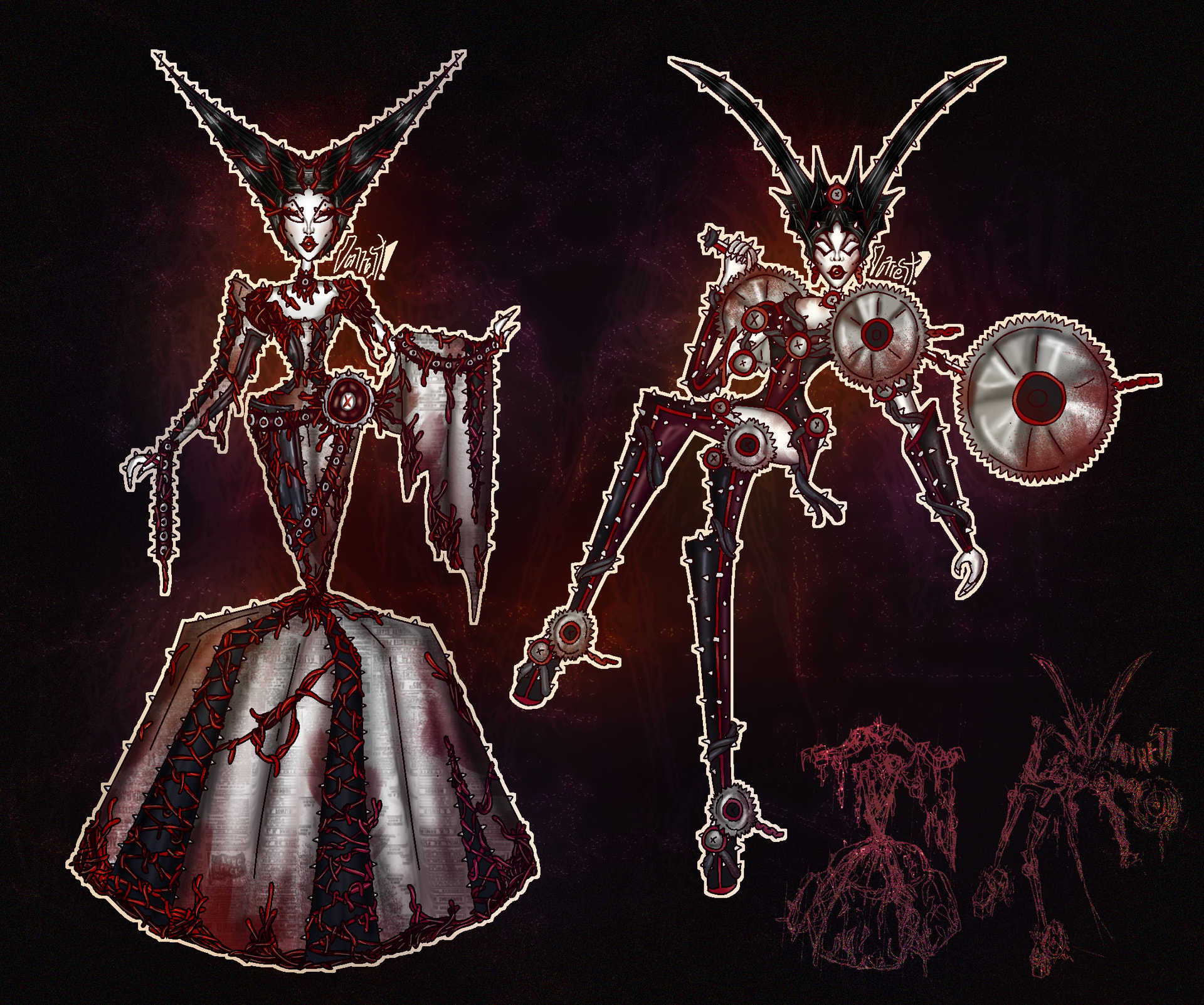
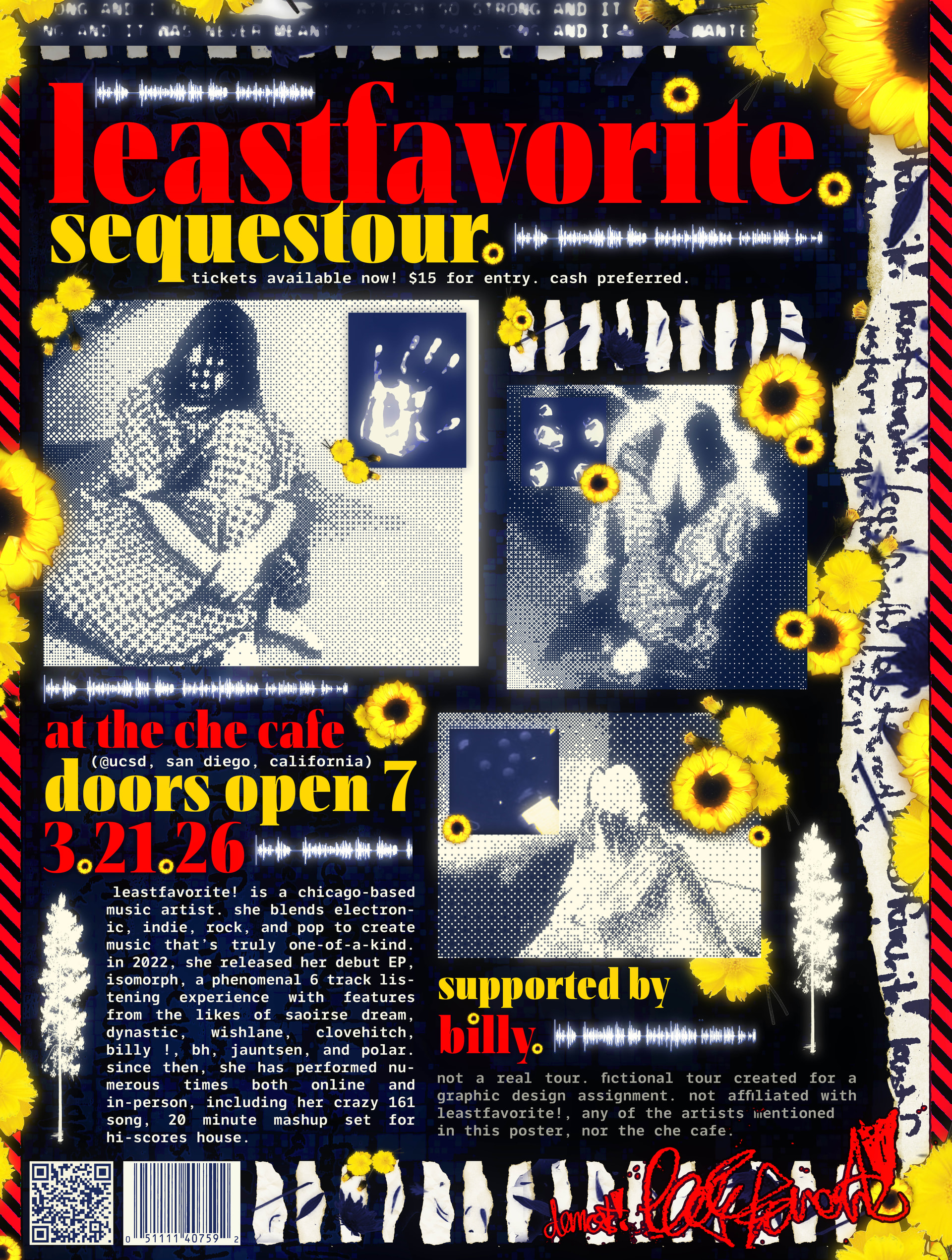
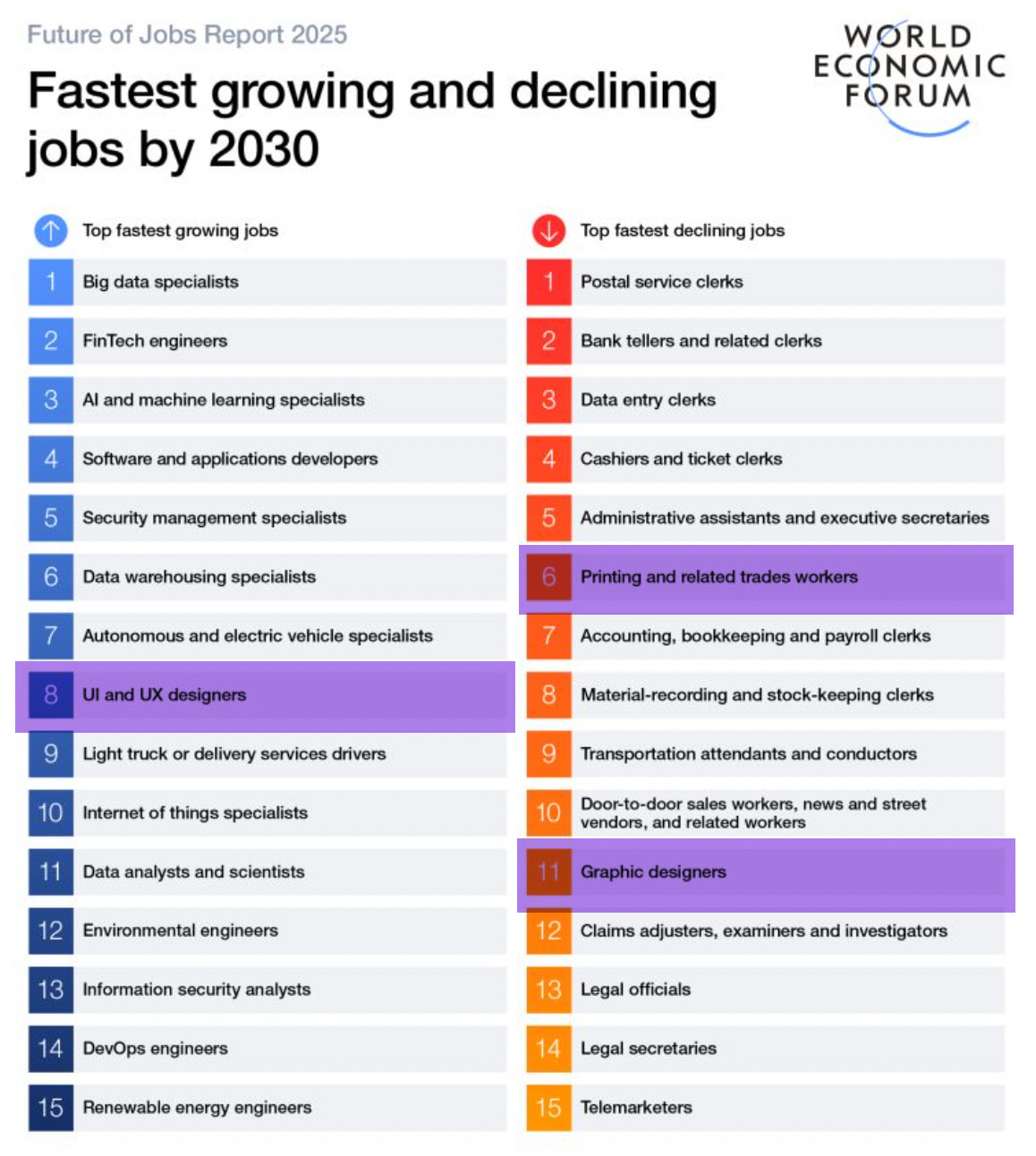
hi!!! i’m currently a senior in highschool, and im currently starting to apply to colleges, with my dream college being ucla for design. i love electronic music, avant garde fashion, costuming, and digital/apocalyptic aesthetics, and i hope that shines through in my work. here’s a couple of pieces i have currently.

i want to know:

  • if my goals are realistic or not
  • any flaws my work has and any particular elements i could work on in future pieces
  • any potential tips for putting together a portfolio for colleges
    thank you in advance!!!
2 Likes

Hi, nice to meet you! Your designs are great, and congratulations on going back to college! As a suggestion, you will need to make some adjustments: use three fonts per design, limit your color palette, and learn how to combine them in different ways. Also, study color shapes and color psychology!, just one question, do you like electronic music but may be also industrial music (that is what i feel about your designs).

1 Like

Thinking of a design style you’d like—Brutalism! Have you heard of it? Here’s an example :https://99designs.com/blog/design-history-movements/brutalism/

I think you’ve already got something quite valuable here. A recognisable visual voice. These don’t look like four unrelated school assignments there’s clearly a person behind them with particular interests and a particular aesthetic.

It’s also quite a specific aesthetic webpunk/Y2K/rave/anti-design/maximalist, whatever label you want to put on it which makes conventional criticism a little difficult. I could point at some of the typography and say the hierarchy is wrong, the typefaces clash, things are too busy or some text is difficult to read. But quite a lot of that appears intentional. What would be a mistake in another piece can be exactly what makes this kind of work work.

Where I would challenge you is to show that you’re controlling the chaos rather than the chaos controlling you.

There are places where everything is shouting at roughly the same volume. Even within this style, you can still decide very deliberately what I should see first, second and third. Some of the smaller text in particular becomes decoration rather than information. That’s fine if that’s the intention, but not if I’m actually supposed to read it.

I think it’s gorgeous work, I dig it, I think it’s wonderful - but put myself in a reviewers shoes, my initial thought was what else can you do?

Show me something restrained. Show me typography with a very clear hierarchy. Show me a project where you’ve had to solve somebody else’s problem rather than create your own world. Show sketches, rejected ideas, experiments and development. I’d want evidence that you could make something completely different if the brief required it.

The character/costume work helps in that respect because it starts showing another side of you, and it also connects nicely with what you’ve said about avant-garde fashion and costuming.

So I wouldn’t abandon this style at all it’s probably one of the strongest things you’ve got going for you. I’d build around it rather than making the entire portfolio out of it.

And at this stage, honestly, the main thing I’d want to see is…


what else have you got?

3 Likes

I’ve watched the design industry evolve over a lifetime. You’ve clearly developed a visual style and have technical confidence. However, I want to give you a serious reality check about the professional design landscape you’re considering.

Right now, the market is flooded with design graduates, and there are far fewer open positions than there are applicants. Furthermore, generative AI tools are rapidly changing the industry. The entry-level production jobs that used to serve as stepping stones for recent grads are shrinking fast.

Because of this, banking your entire future on a highly specialized, experimental niche like the one in your portfolio is incredibly risky. If that specific internet subculture loses relevance — or if an AI can automate that aesthetic filter in ten years — you could be left without a marketable skill set.

If you are absolutely dead set on pursuing design despite these hurdles, I would avoid hyper-niche, purely experimental programs. Schools like UCLA are moving toward highly siloed design tracks (separating design from games and computational art). This will force you to specialize before you even understand the market.

Instead, I would look for broad, disciplined programs at universities that offer a comprehensive curriculum covering the fundamentals of the entire discipline. You need a program that will ruthlessly drill you in typography, grid structures, information hierarchy, and user systems across both print and digital platforms. This will give you a broad understanding of design, making it easier to switch design career paths in a field that is changing at breakneck speed. Make absolutely sure UCLA has a program that does this because I have my doubts that it does.

Diversify your portfolio. There’s nothing wrong with what you’ve shown us, but few employers will have a use for it and may worry you’ll be stuck in a single digital-grunge style. To survive in this market, you must prove you can be flexible and meet their requirements. Put this style away for a bit and show that you can design a clean, functional corporate identity, a multi-page editorial layout, or a complex piece of information architecture. Graphic design isn’t about exploring avant-garde art; it’s about solving problems with clear, compelling visual communication. There’s room in the world for what you’ve shown us, but it’s a tiny sliver of a small part of the business.

A trendy style will keep you trapped in a niche that might not exist in a decade. A deep, versatile understanding of how visual communication functions is the only thing that will protect your post-university career from massive industry shifts and automation.

The choice of where to go is yours, but make sure you choose a school that prepares you for the reality of the day after graduation, not just four years of experimental fun.

2 Likes

thank you so much for this!! this helped a lot!! i will definitely try and work on more restrained and maybe more minimalistic/differently focused stuff in the future and be sure to keep this in mind when designing future pieces!

1 Like

Ai is cool and all. But it costs money to produce things too. And needs a driver. Nothing works without it. Whos gonna do it? I love ai. I think its amazing. I see ai designs already. Bottom of the barrel stuff. It will end 99 and ** contest site removed ** designs 100 percent.

But design wont go. I hope.

1 Like

I didn’t intend to suggest that graphic design was going away. Instead, I said that it was changing the landscape and eating into entry-level jobs.

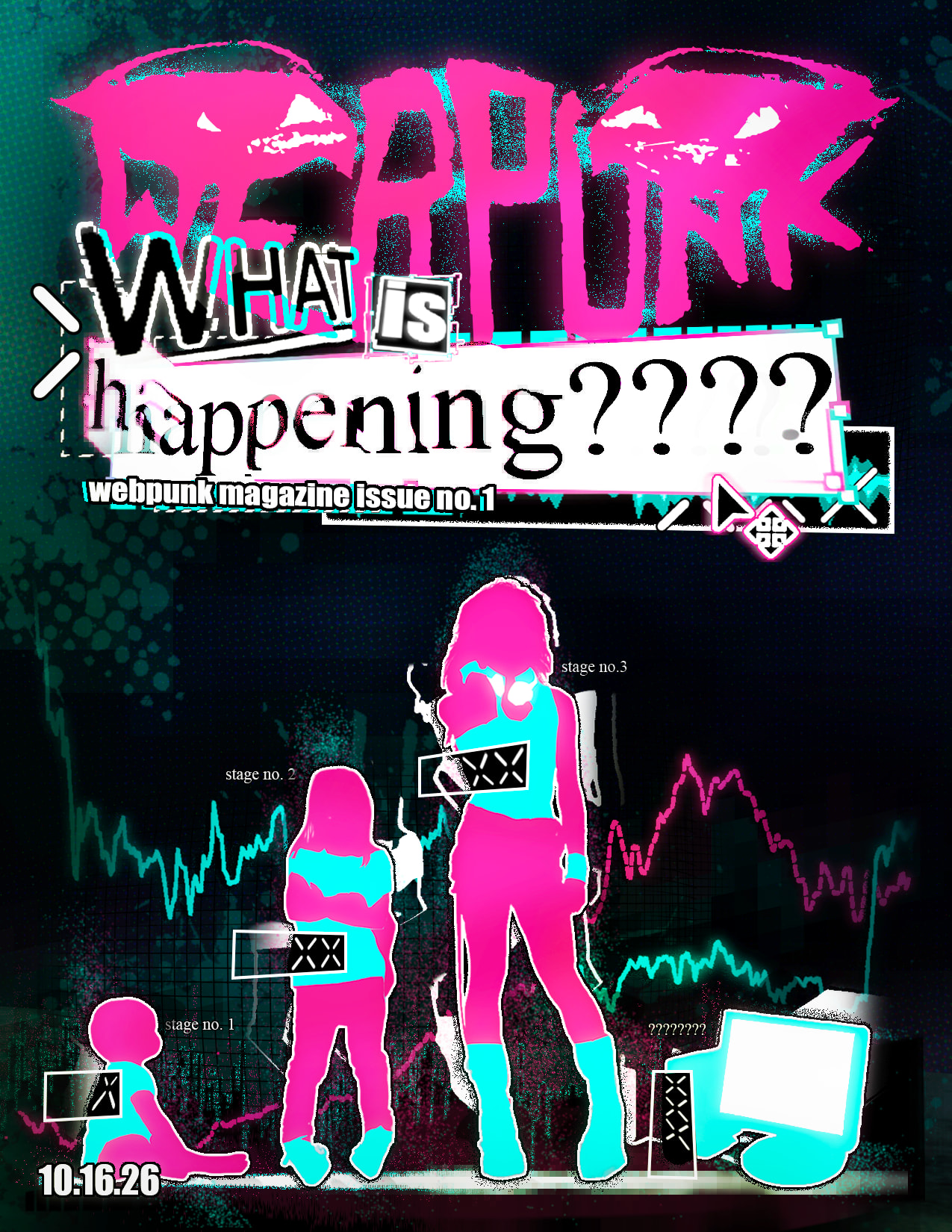
For example, here’s what the World Economic Forum says about the fastest-growing and most rapidly declining job sector. Printing (and other trade jobs) comes in as the 6th fastest-declining job. Graphic design isn’t that far behind at 11th.

On the brighter side, UI and UX jobs are projected to grow, just below autonomous and electric vehicle specialists.

Of course, there will still be a need for design/art directors to work with AI, but when an LLM can read a well-written creative brief and spit out a dozen decent ideas that can be iteratively refined by that art director in a fraction of the time it would otherwise take, there’s a problem.

You keep up with what Adobe is doing, so you’ve likely heard about Adobe’s partnership with Anthropic, which brings Creative Cloud capabilities directly into Claude. I haven’t played around with it yet to see how impressive or unimpressive the initial implementation might be, but this whole thing is accelerating like a rocket.

https://claude.ai/directory/adobe-creativity

Ah yes, of course - and I wasn’t suggesting that you were saying graphic design is going to disappear I agree with what you’re saying.

It’s just another landscape change and it’s happening very quickly, and I can absolutely see AI eating into the entry-level and some production work that traditionally gave first steps. If one designer/art director can use tools to produce/explore far more in the same amount of time, it’s hard to ignore that.

I’m just saying I don’t think AI removes the designer. Someone still needs to understand the brief, know whether the output actually works, make decisions, understand typography, hierarchy, production, accessibility, brand, etc. AI can produce something that looks designed remarkably quickly whether it’s right solution is another question.

And that’s really why I agree with your wider advice to the OP. Don’t build your education around learning one particular aesthetic. Learn fundamentals and be adaptable. I do think their current work shows a strong visual voice, which is great, but being able to switch that voice off when the job demands something completely different.

1 Like

I agree—it’s Grungy but mixed with Gothic/Industrial, which makes it much darker! In any case I told him to check about Brutalism Design maybe he would like it!

Graphic Design is not about YOUR art.
It’s about conveying your client’s message to their potential audience, whatever that message is, and whoever those clients are.
This was the single most irritating thing in my graphic design course long ago. Too many of the professors allowed the students to self-originate their projects, which lead to way too many students only pursuing their own interests. My hypothetical graphic design class would have 3 hats. You pick a product, you pick an industry and you pick an audience segment. Design to that. No choice. Sell it ,or fail. That’s what this industry is. Design is a commodity to be sold. There is nothing more disheartening than finding this out after shelling out 10s of thousands of dollars on a degree in a dwindling field of opportunities.

2 Likes