I hope this isn’t behind a paywall. A very sweet explanation of foil embellishment effects available out there in the wild right now. Alas, none of them wide format, but still pretty cool!
https://whattheythink.com/quarterly/2026-appearance-management/129323-categorically-embellished-embellishment-primer/
Mods, if this is blocked, just delete it.
6 Likes
Awesome! Especially the Inkjet Spot Gloss, Foiling, and High Build…

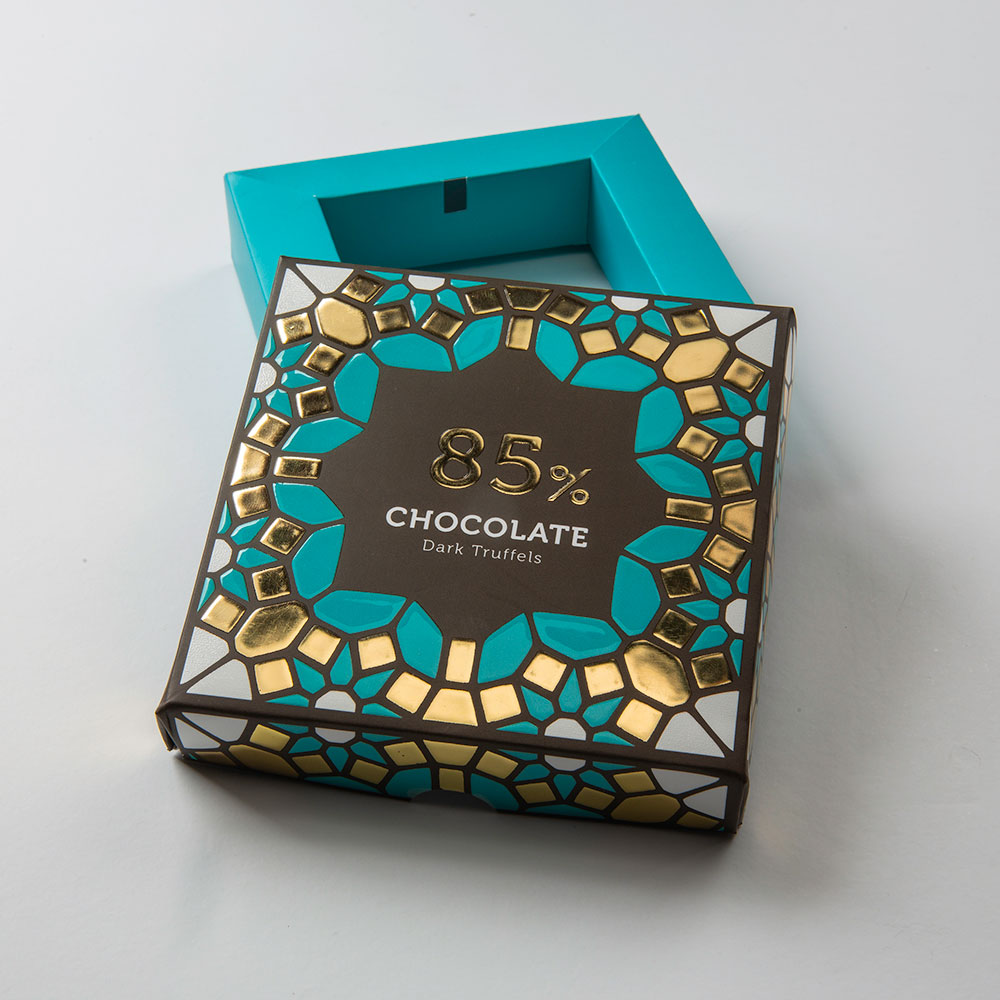
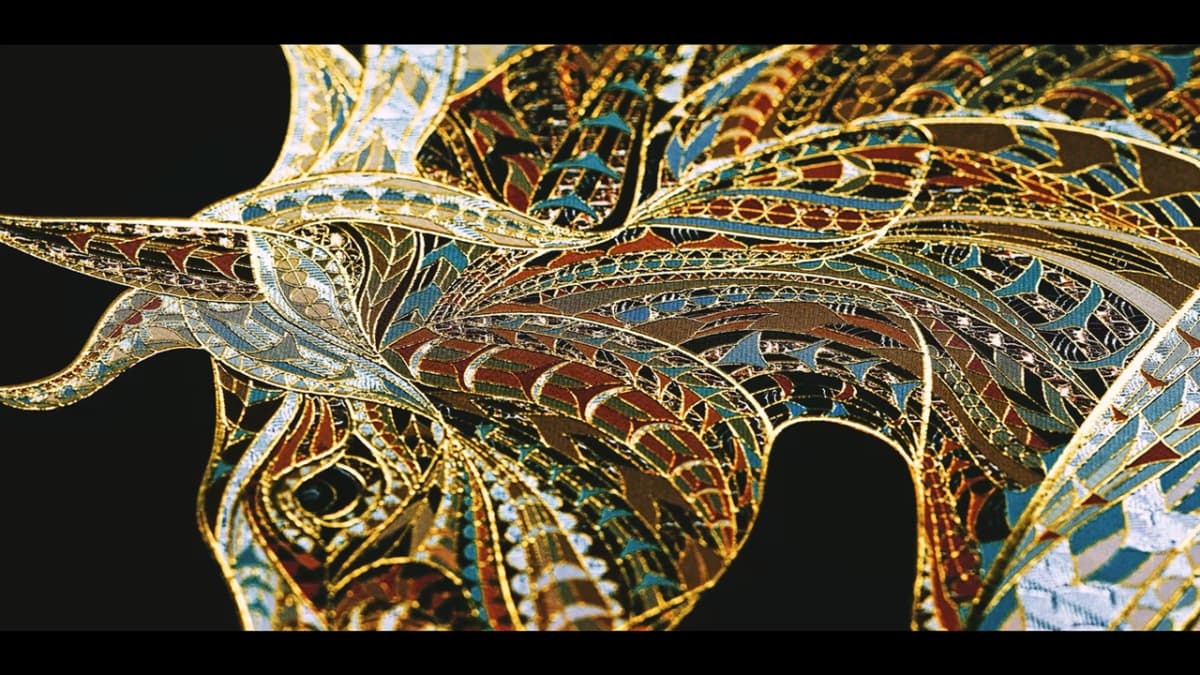
they used this on old turkish wedding cards alot
Is there a small-scale machine that can fit in an apartment that can do it all at low volume runs? I am personally going through commercial printers for low volume runs for book printing that can have embossing, foiling, spot gloss, texturing etc. And the cost for low volume printing is astronomical – considering that the books I am printing are not for profit. I am actually fantasizing if I can simply have my own small-scale machine that can do everything at once, and I can print my own book covers and magazines that will have elaborate looking covers and pages.
The article lists machines by name. I don’t think you are going to find an all-in-one, let alone something that can sit on a kitchen table. Probably not even the whole kitchen.
As for doing it in an apartment, you are likely to run into air quality and venting issues. And neighbor complaints.
1 Like
Why don’t you talk to them about getting a price reduction based on repeat business, or bundling various editions in one print run to spread out the cost per unit?
It’s likely on low-prnt runs the squeeze the price higher because they don’t actually want the work, but will do it for a higher price.
If it’s not for profit does it need so many embellishments and ‘tricks’ - have you discussed alternatives.
Embossing can be cheaper similar feel with thermographing
Spot gloss can be done cheaper with finishes like Scodex (which can also do a faux emboss)
There’s soft-touch finishes that feel like lambs ear - like a velvet finish.
I suppose if it was easy and a machine you could buy and do it yourself everyone would be doing it.
It feels weird to negotiate; it’s like trying to be an a-hole. They already know that I keep asking too many questions about the cost of this and that; so, to ask them to lower a price that they’ve quoted me would be kind of naive.
I like elaborate looking printing material, even though I’m not profiting from it; I use my printing for my own portfolio, and that’s why I want the works to look top notch – like bookstore books.
I recently watched a commercial for a 3-D printer that can do some kind of engraving, but not on paper. Maybe that would be the next thing in printing – for a 3D printer to be doing the embossing, foiling, etc.
It’s not naive to ask, it’s actually naive not to ask.
You’re not being an a-hole by having a conversation about cost. Any decent printer expects it. Especially if you’re doing repeat work or experimenting with formats.
Instead of “can you lower the price?”, frame it as “Is there a more cost-effective way to achieve a similar result?”
That shifts it from negotiation to collaboration. Printers often know alternative methods that still look premium, different stocks, digital embellishment instead of traditional dies, combining runs, tweaking coverage, etc.
If it’s portfolio work and you’re chasing that bookstore quality finish, they might even suggest smarter substitutions that keep the impact but trim the budget.
Good suppliers don’t get offended by cost discussions, they appreciate clients who want to understand the process.
They’d rather keep you as a customer than lose you, it benefits both of you.
There are wide format machines that do “embossing”
The problem is there are very limited options for metallics and currently the machines that can do the tactile stuff are UV cured and don’t have metallic inks. And the machines that do, the metallic flakes go out of suspension and the upkeep isn’t worth the hassle.
3D printers could be an option if the material used is flexible. We only use it on ADA signage, so I’m not aware of any sort of flexible material. And it ain’t cheap. The machines are getting down there in price, but like desktop inkjets, that’s just to get you to buy the stuff that fills it up.
Definitely discuss pricing in the way Smurf suggested. Repeat customers, especially one that makes an effort to understand the process, are always a good thing.
By the way, I am not a repeat customer; but I may become one. I don’t mean to divert the topic here because I had a separate thread open for my issues, but one of the printers that I may choose for my printing didn’t even bother to return my phone calls (twice I think), and didn’t respond back to my emails. So, I just ended up doing the calculations based on their automated quote service which offers some of the fancy printing methods. Several other printers didn’t respond to me as well. I must be a weird case and that’s why it’s being ignored.
It’s probably not that you’re a weird case.
More likely, they’re just not interested in low-volume, high-touch jobs. Those kinds of projects can take a lot of back-and-forth, sampling, and estimating time and if their presses are busy with larger repeat work, they may prioritise that.
It’s not personal. It’s capacity and margins.
At a certain point, it can really help to step away from email and automated quote tools and actually visit a few printers you’re willing to travel to. A short face-to-face conversation can completely change the dynamic. When they see you’re serious, understand the process, and respect their time, you’re no longer just another speculative quote in the inbox.
Also, and this is just commercial reality, “I might become a repeat customer” doesn’t carry much weight at the quoting stage. Businesses can’t price today’s job based on potential future work. It’s a bit like asking for €10 off your groceries today because you promise to shop there again next week.
If you want the relationship pricing, you usually have to build the relationship first.
That doesn’t mean you shouldn’t ask questions, just approach it collaboratively, like you’re trying to find a workable solution together rather than trying to squeeze them.
1 Like
Cool article! I’ve worked with many of those processes before.
The lamination film/foil process is a mind bending one if you dig deeper. While it is applying the holographic foil effect as a “transparent laminate” on top of a print surface, the “holo” is actually being MICRO EMBOSSED onto the laminate layer in real time from a reusable patterned holographic film layer! 