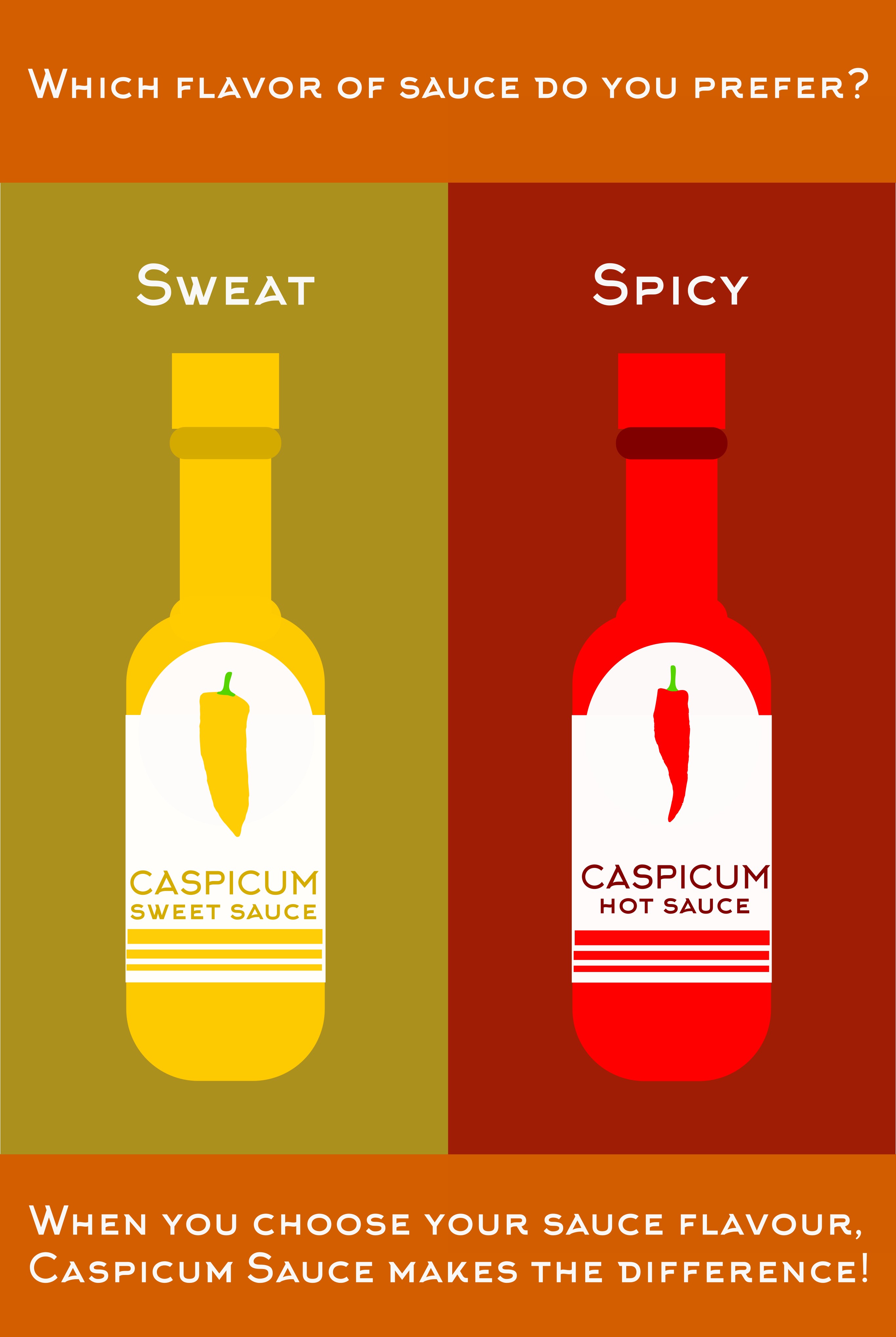
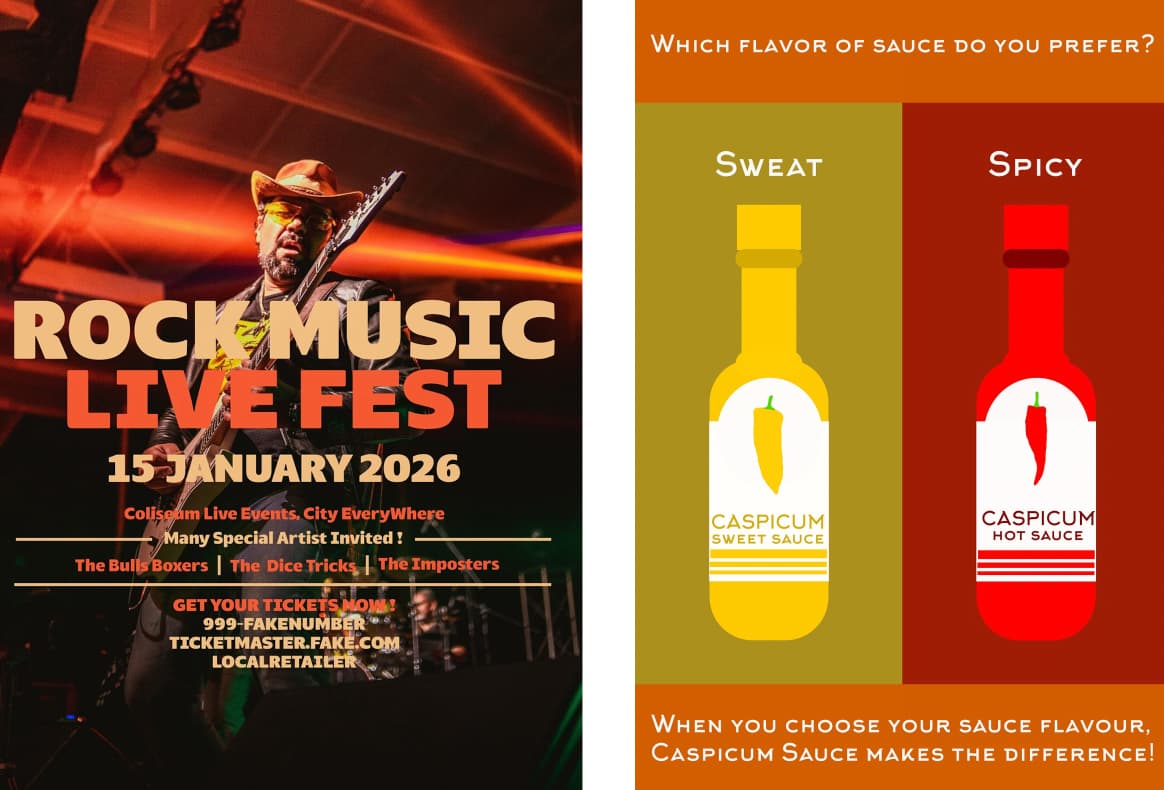
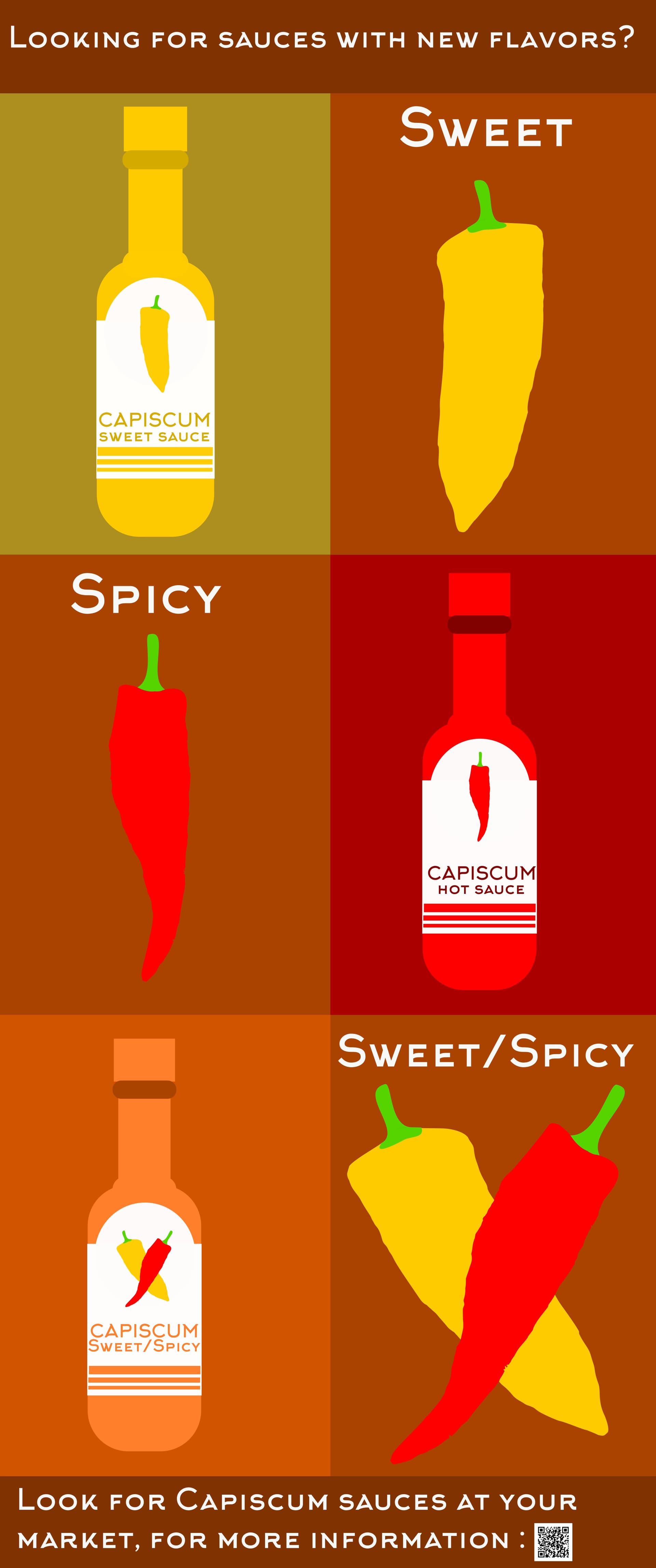
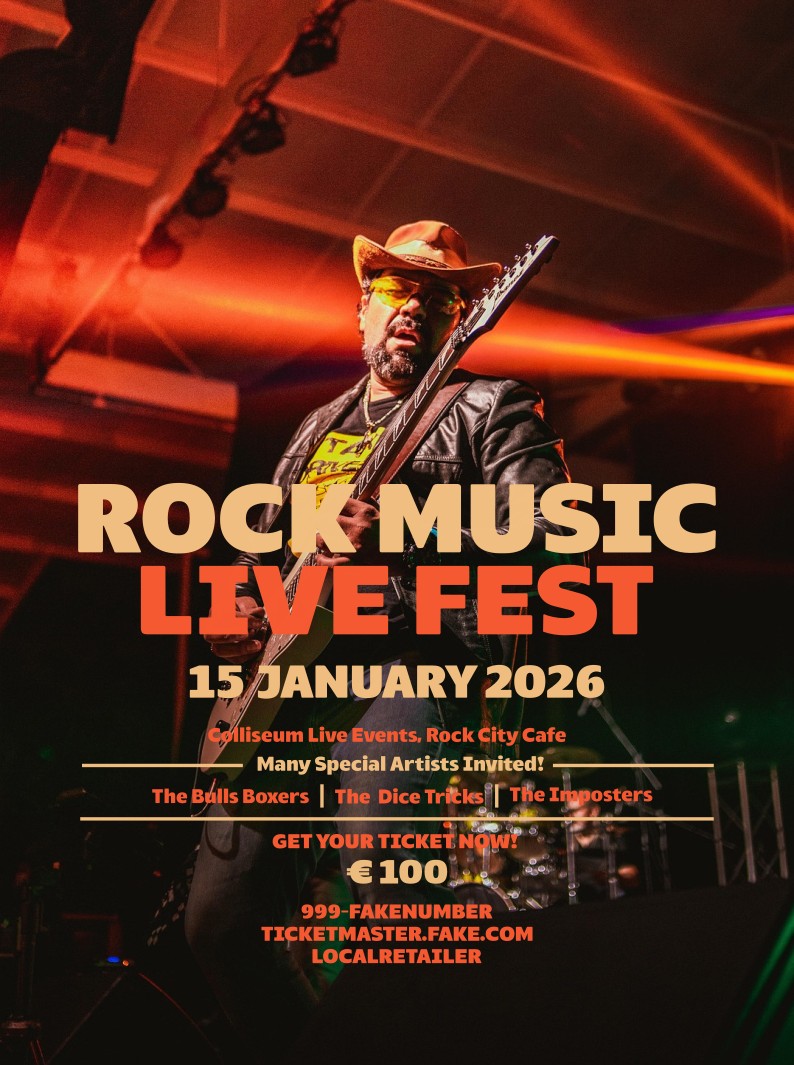
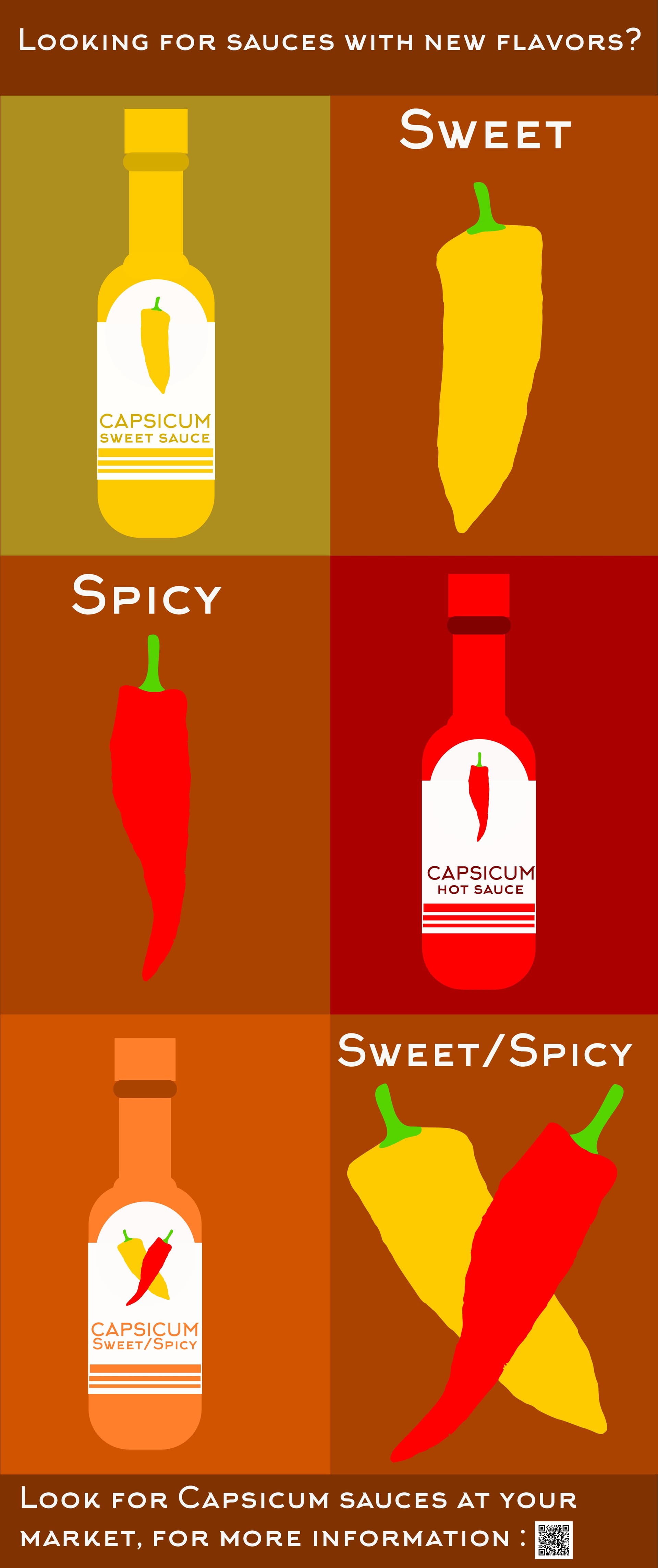
This sauce poster would make sense if it were part of a data-collection concept, people scan a QR code to “Find out more” or “Get a discount,” and that data then drives the sauce flavours.
If it’s for a portfolio and meant to showcase design skills, then focus on that. Do the sauce bottles. Do the labels. Do the mockups. Show the branding decisions colour choices, peppers, stock imagery, typography, hierarchy.
That’s an exciting portfolio piece.
A few random posters with no context or substance aren’t going to sell your services to anyone.
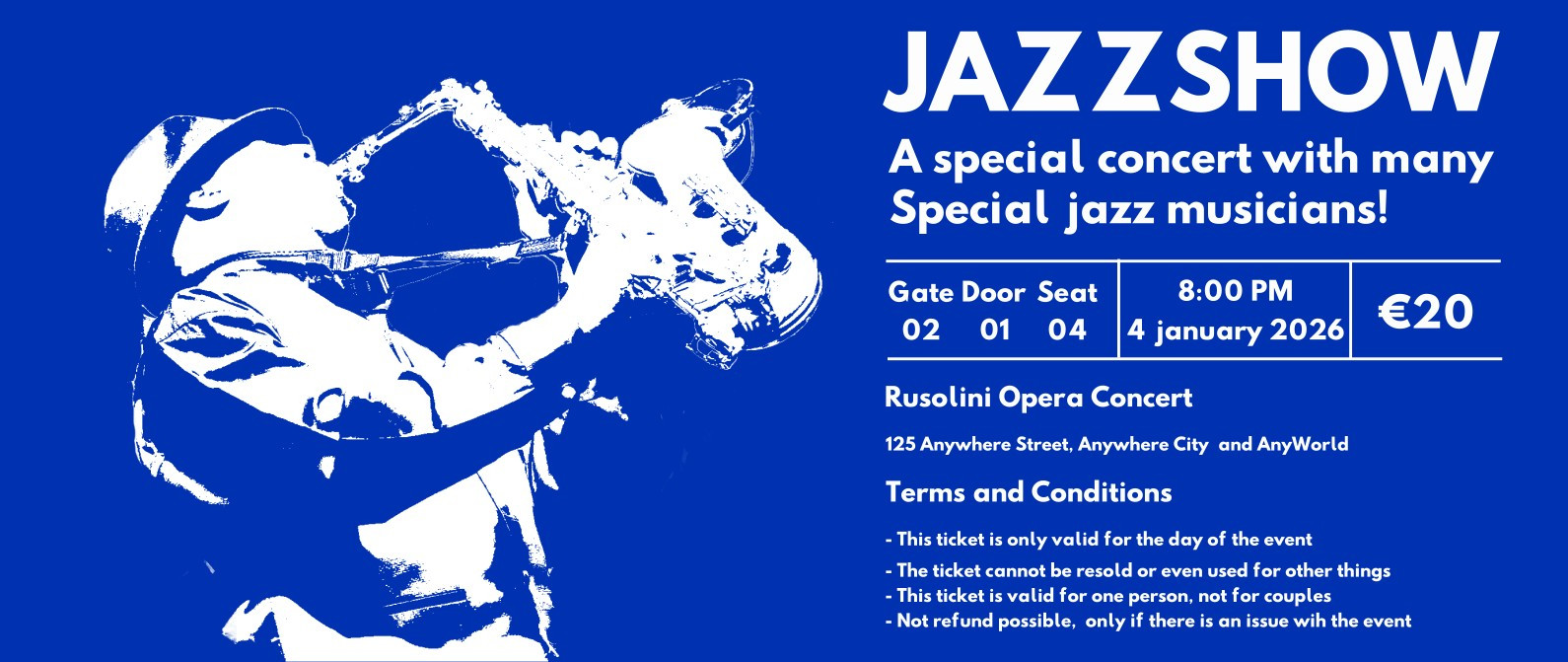
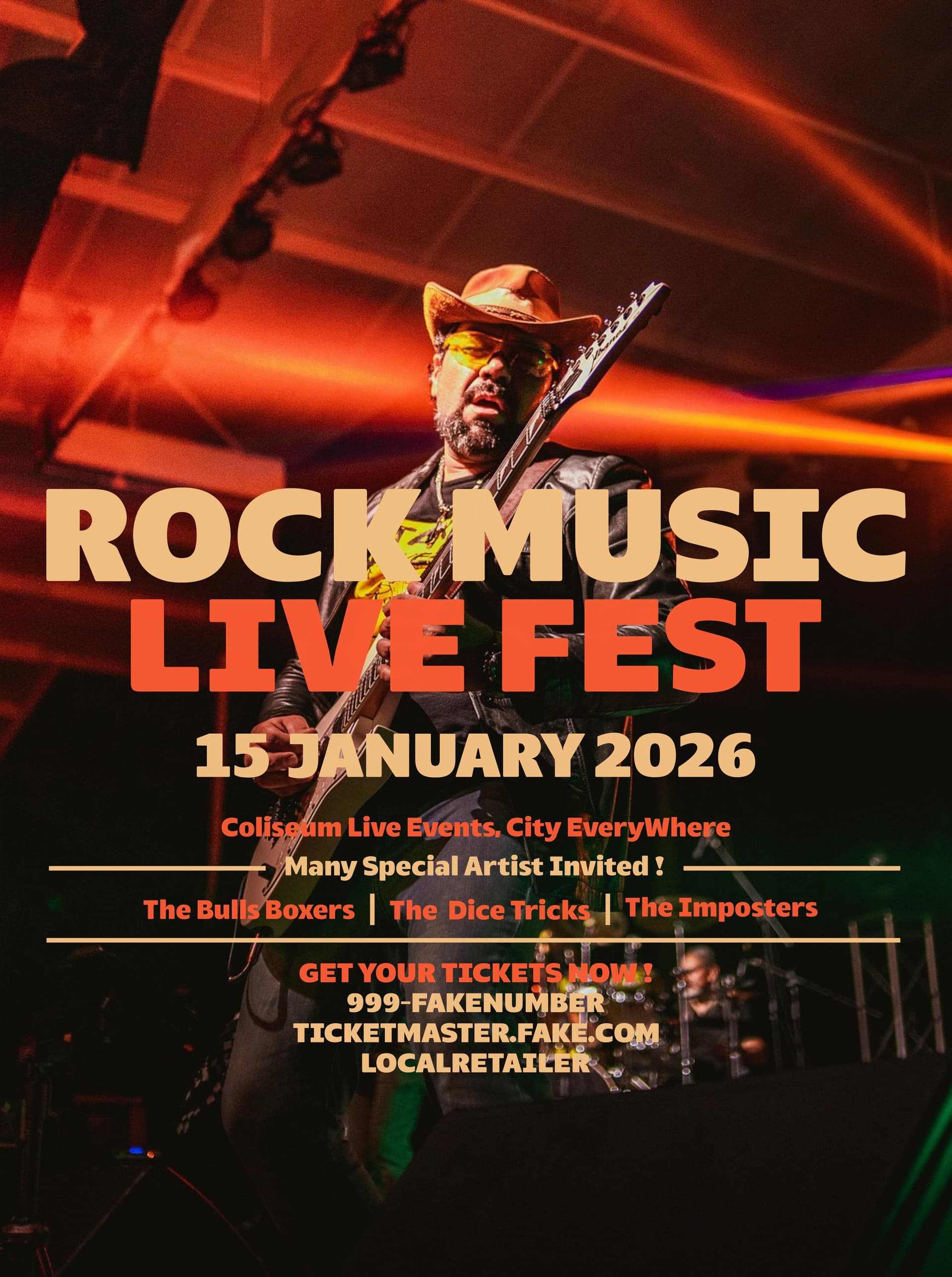
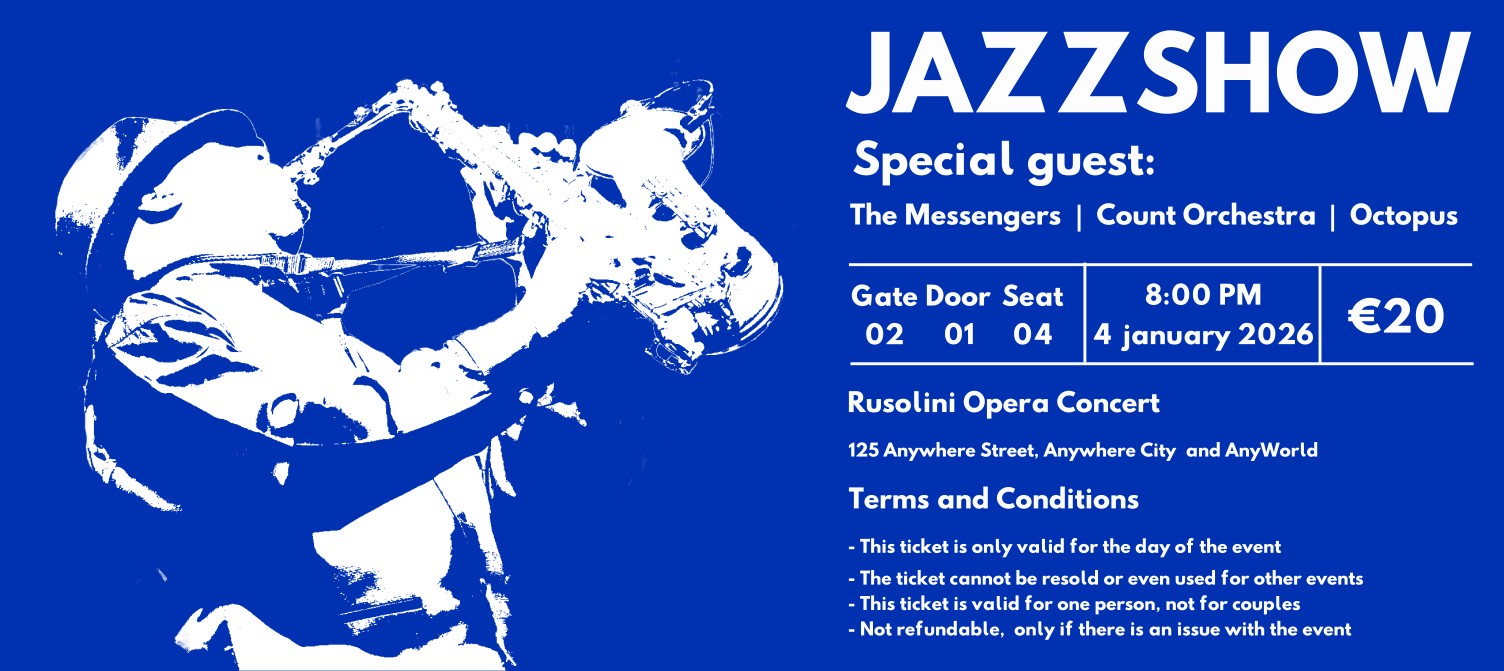
Do the work as if it were real. Do the poster, the staging, the tickets, the point-of-sale (FSDUs with merchandise), the t-shirts or merchandise. Build a system, not isolated visuals.
As it stands, this portfolio might get you a foot in the door—maybe as an intern, not even at junior designer level.
You’ll need to raise your game and your imagination. Don’t work on portfolio fillers—work on portfolio projects that prove you can think, not just decorate.
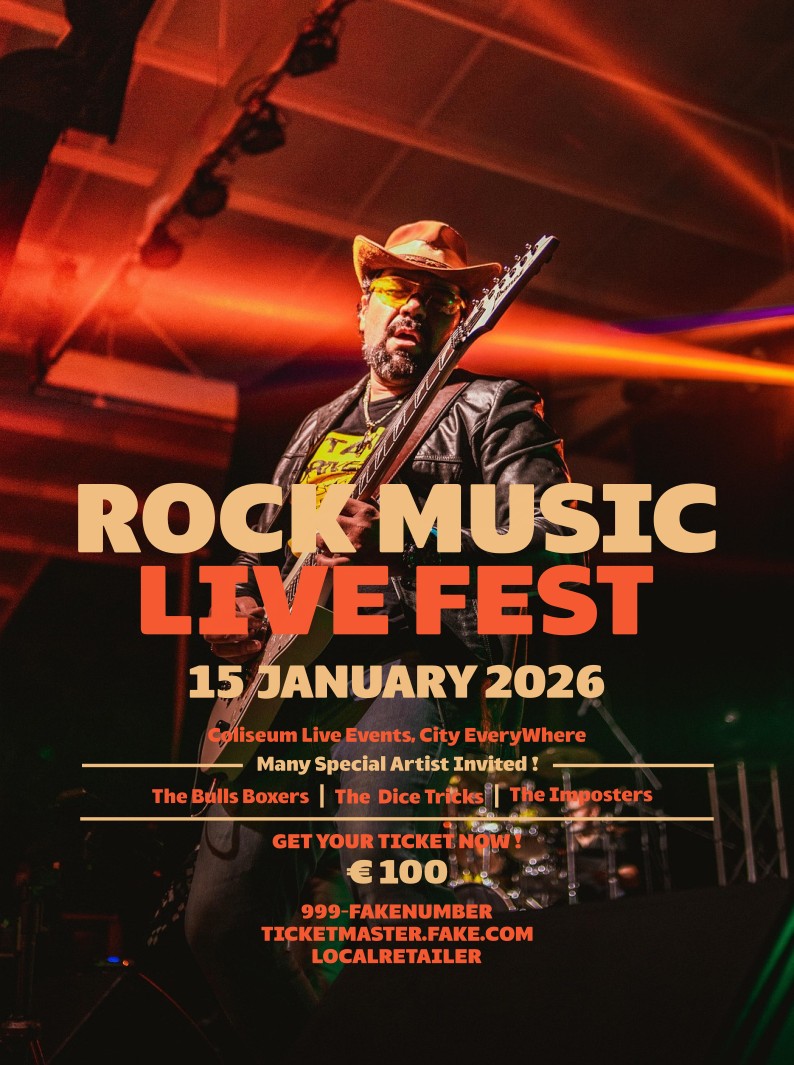
Do you think any of us walk into a client meeting where they ask for one poster and we just stop there? You don’t have a poster you have an event.
The first questions are obvious:
When is it?
Where is it?
Who’s attending?
What’s the scale?
From there, the work naturally expands. Does the event need staging? Podium branding? Backdrops? On-site signage? Billboards, posters, roller banners, wayfinding?
What about the physical touchpoints people actually take away, pens, mugs, t-shirts, hoodies, keyrings, stickers, badges, pins, the stuff that lives beyond the event and reinforces the brand afterwards.
What about a website, web images, banner adverts, etc.
That’s how real projects work. Designers don’t just deliver a single asset they design systems that function across multiple formats and environments. A portfolio should reflect that mindset. If you only show a poster, you’re telling potential clients or employers that you stop thinking the moment the brief ends.
Show that you understand the entire game, not just one piece of it.
If all I did was a poster here, a sauce label there, I’d be broke.
EXPAND the thought process.
Step away from isolated portfolio pieces.
Sit down and think about sauce labels. Start with the fundamentals.
What kind of sauce is it?
Hot sauce, BBQ, fermented, craft, novelty, premium?
Who is it for? Supermarket shelf, farmers’ market, online-only, gift packs?
What’s the tone, playful, aggressive, artisan, scientific, premium?
Now define the brand world
Name, tagline, personality
Colour palette (and why those colours)
Typography choices and hierarchy
Illustration vs photography
Iconography, peppers, heat scales, ingredients, warnings
Design the label system, not just one label
Multiple flavours
Heat levels
Limited editions
Front, back, nutritional panel, barcode placement
Glass bottle vs squeezer vs mini bottles
Once the label works, scale it outward.
Product & packaging
Bottle mockups (realistic, not flat)
Multipacks, gift boxes, subscription packaging
Shipping boxes and inserts
Now ask how does this brand show up in the real world?
Marketing & promotion
Posters with a clear purpose (launch, tasting, competition)
Social media assets
Website landing page
QR codes that actually lead somewhere (recipes, discounts, data capture)
Now the big leap the event.
You don’t have a poster. You have
“SauceCon 2026”.
SauceCon - Event of the Year
Event logo and visual system
Stage backdrop and podium branding
Booth designs and table covers
Wayfinding signage and schedules
Roller banners, billboards, entry wristbands, tickets
Merchandise & takeaways
T-shirts, hoodies, aprons
Tote bags, stickers, pins, badges
Sauce bottles with event-only labels
Press packs and influencer kits
Finally, show how it all connects
One visual language across every touchpoint
Consistency in colour, type, tone
Mockups that show scale, context, and realism
That’s a portfolio project.